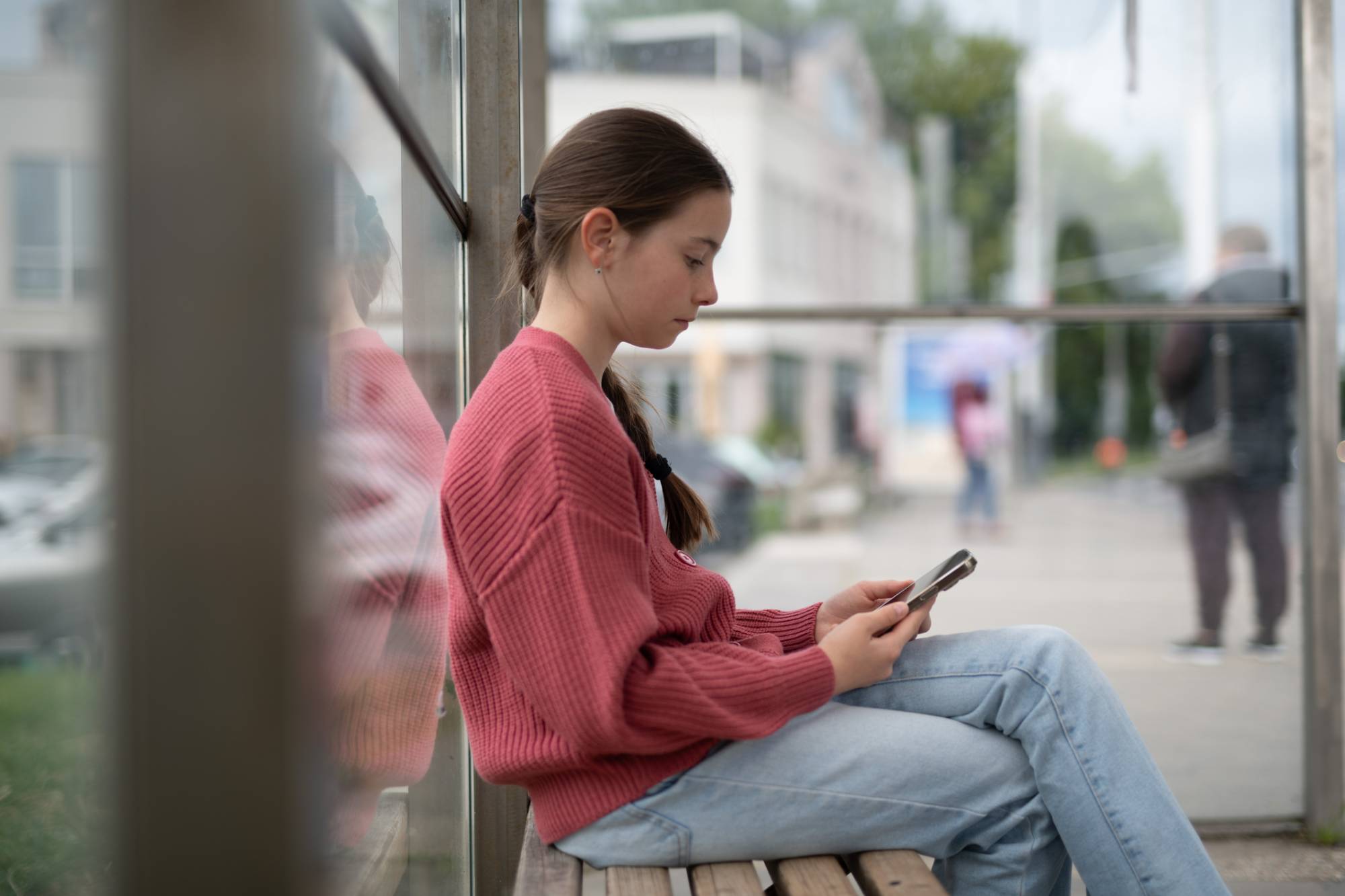
In a new feature from KQED’s MindShift, journalist Marlena Jackson-Retondo explores how a safely developed AI chatbot like Alongside can help schools support student well-being in a time of unprecedented need.
As the article notes, school counselors across the U.S. each serve an average of 385 students, far above the recommended 250-to-1 ratio. To help bridge this gap, Alongside was created to give students a safe, skills-based space to talk through challenges — from stress and relationships to sleep habits — while also strengthening their connection to trusted adults in the buidling.
The KQED story highlights how Alongside combines technology and human expertise. Every chat is guided by research-backed exercises co-developed with psychologists like Dr. Jessica Schleider of Northwestern University, and the system includes crisis escalation protocols to ensure student safety.
Unlike “AI companions” which experts have warned are dangerous to students' mental health, Alongside’s chatbot stays focused on practical skills and mental wellness. Licensed psychologist Dr. Elsa Friis, who leads Alongside’s clinical team, shared that their goal is to “break negative cycles before they turn clinical” — and to do it in a way that’s deeply human-centered.
KQED also featured stories from school partners, including Corsicana ISD in Texas, where Alongside’s universal mental health screener helped uncover patterns of student stress, connection, and resilience. Administrators there say the insights have been “invaluable” for better targeting limited support resources.
To dive deeper into how schools, researchers, and technologists are working together to responsibly use AI in student mental health, read the full KQED MindShift article here.


Want to Try Alongside?
Sign up for our free demo in just 30 seconds.